 Whatsapp:+8613811510145
 xhmineral@xinhaimining.com


Gold ore beneficiation process is a key link when utilizing gold mines. The selection of beneficaition method is directly related to the gold recovery rate, production cost and environmental protection. The common used gold ore beneficiation methods include flotation separation process, gravity separation process and cyanidation process. Each of them has its own characteristics, and they are used in different types of gold ore beneficiation process. This article will compare gold ore flotation process with other beneficiation methods to help customers select optimal gold ore processing methods.
2025-02-26 XinHai (views 2666)
Gold ore beneficiation process is a key link when utilizing gold mines. The selection of beneficaition method is directly related to the gold recovery rate, production cost and environmental protection. The common used gold ore beneficiation methods include flotation separation process, gravity separation process and cyanidation process. Each of them has its own characteristics, and they are used in different types of gold ore beneficiation process. This article will compare gold ore flotation process with other beneficiation methods to help customers select optimal gold ore processing methods.
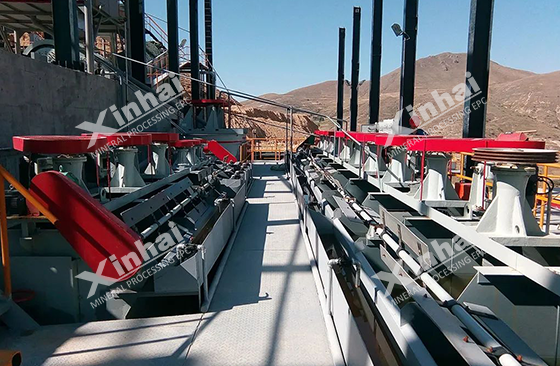
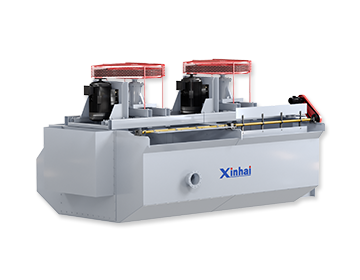
Flotation separation process is a method to separate gold mineral from gangue mineral based on the difference of mineral surface hydrophilic and hydrophobicity. It is also a beneficiation process to separate gold ore from gauge minerals through bubble flotation process. The gold ore flotation process is widely used in process of sulfide gold mine, gold-containing polymetallic mine and fine-grain gold mine. When processing theses kinds of gold ores, flotation process has higher efficiency and economy
Advantages of flotation process:
High recovery rate: it can separate fine-grain gold mineral efficiently.
Wide application: the flotation process is not only used in sulfide gold ore, but also used in other gold-contain minerals.
Eco-friendly: compared with cyanidation process, flotation process has a little impact on environment and there is no toxic chemicals involved during the process.
Disadvantages of flotation process:
high production cost: flotation machine and flotation reagents will increase the production cost.
High requirements for mineral properties: the flotation process has a higher request on mineral size and surface properties.
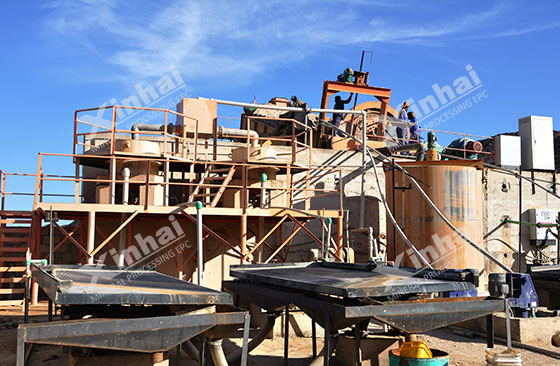
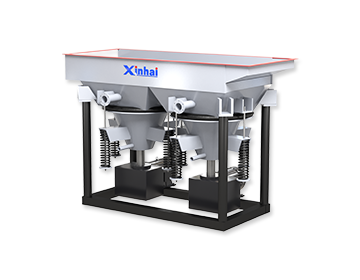
Gravity separation separate minerals through density difference of minerals. The machines used in gravity separation process includes jigs, shaking tables and spiral chutes.
Advantages of gravity separation method
Simple equipment and low production cost: The gravity separation machines are simple in structure, and their operation and maintenance costs are low. Gravity separation machines are suitable for large-scale production of ore processing plant.
Pollution-free: Compared with flotation and cyanidation process, there is no chemical reagents in gravity separation process. Therefore, the gravity separation process will not pollute the environment.
Disadvantages of gravity separation process
Low separation accuracy: Gravity separation has high requirements on the size and density difference of mineral particles.
Low recovery rate: The recovery rate of gravity separation is significantly lower than that of flotation when processing fine-grained gold ore.
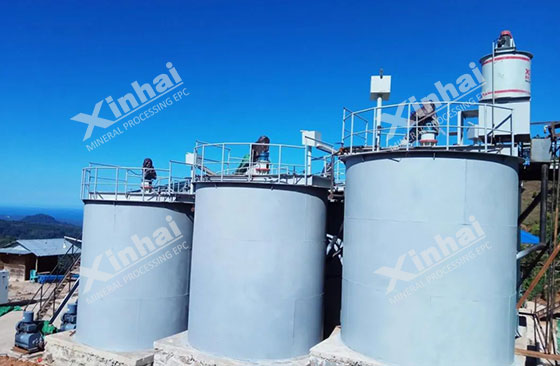
Cyanidation process apply cyanide solution to leach gold minerals. This gold ore processing method is widely used in the smelting process of gold mines.
Advantages of cyanidation process
High recovery rate: you can get a high gold recovery rate when using cyanidation process. It is especially suitable for treatment of oxidized gold ores and ores with low gold content.
Wide application: Cyanidation process can be used for processing flow of many types of gold mines.
Disadvantages of cyanidation process
Environmental pollution: Cyanide is a highly toxic chemical substance. If it is not properly managed when processing gold ore, it is easy to pollute environment.
Long leaching time and treatment cycle: Compared with flotation, cyanidation process has a longer production cycle and requires a longer leaching time.
Ore property requirements: Cyanidation is sensitive to carbon-containing minerals and other impurities in the ore, especially carbon-containing ores often adsorb cyanide, which affects the recovery of gold.
In actual mineral processing production, it is often necessary to select appropriate mineral processing methods according to the properties of the ore and production requirements. Somtimes, we should combine multiple beneficiation methods to improve gold ore recovery rate. For example, for gold ores containing sulfide minerals, flotation is usually the preferred process because it can effectively separate gold minerals. For oxidized gold ores, flotation and cyanidation are often used to improve gold recovery and production efficiency.
For coarse-grained gold ores (such as placer gold ores), gravity separation may be a more economical and effective option, especially when the ore particle size is large. By reasonably selecting appropriate mineral processing methods, the recovery rate of gold ores can be improved and production costs can be reduced.
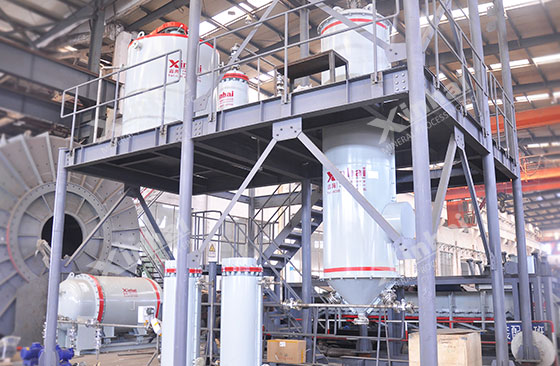
Each gold ore dressing method has its own advantages and disadvantages. Select reasonable gold ore dressing process is crucial to improve the mineral recovery rate, reduce production costs and environmental protection. In general, flotation separation process is suitable for the process of sulfide gold ores and polymetallic gold ores. The cyanidation process can be used for processing oxidized gold ores. And gravity separation is suitable for the dressing of coarse-grained gold ores. In actual operation, choosing the right process, or even combining flotation with cyanidation or gravity separation, can achieve the best resource recovery and economic benefits.
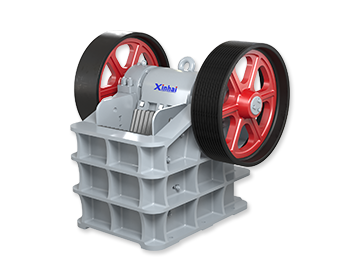
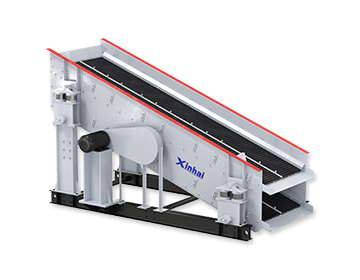
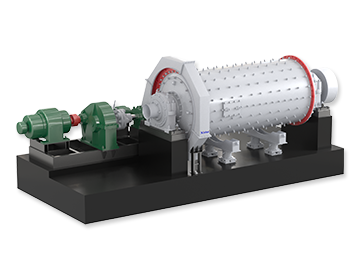
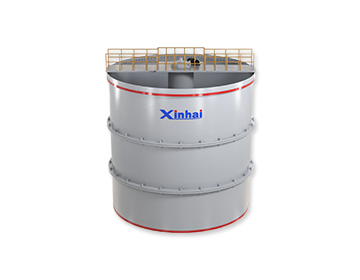
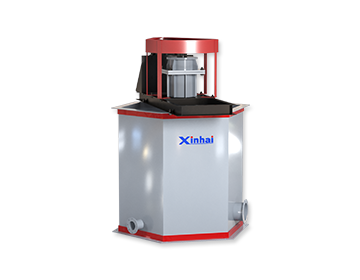
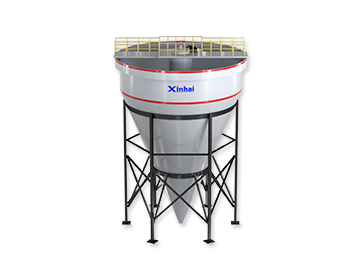
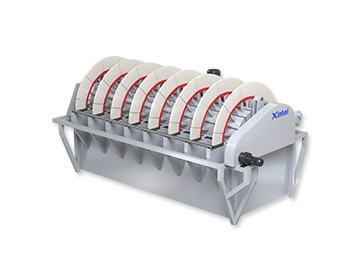
Gold flotation is an important part of modern gold ore dressing. It is mainly the process of gold extraction through physical and chemical methods. The equipment in the gold flotation process includes crushing equipment, grinding equipment, flotation equipment, thickening equipment and filtration equipment. The selection and maintenance of gold flotation equipment will directly affect the efficiency of the flotation process. Scientific design and management based on ore characteristics, beneficiation plant scale and process requirements will be beneficial to the flotation process of gold mines. The following will start from gold flotation equipment selection to provide reference for the efficient operation of gold flotation.
Gold flotation technology is widely used in the processing of various types of gold ores. The use of different flotation processes and the optimization of reagent selection have become the key to improving gold recovery and reducing production costs. The selection of gold flotation technology mainly depends on the type of ore. Common types of gold mines include sulfide gold ore, oxidized gold ore and polymetallic associated ore. The flotation difficulty and process requirements of each ore are different, and the use of reagents is also quite different. This article will introduce in detail the characteristics of different types of gold flotation processes and the types of reagents used, and explore how to improve the recovery efficiency of gold by optimizing the use of reagents.




 Whatsapp:+8613811510145
  xhmineral@xinhaimining.com
  Online Inquiry

 Get Quote
 Online Inquiry
 Leave Message
 Send Email


 Consult
 Message
 Email
Email
 Whatsapp
